
Missoni has officially stepped into Portugal’s real-estate world, and their debut is anything but shy. Aroeira Collections, set in the pine forests just south of Lisbon, lands with the kind of confidence you only get from a brand that has spent decades mastering colour, texture, and the art of atmosphere. It’s not a cautious introduction. It’s a full expression of identity laid across a coastal landscape that feels naturally built for it.
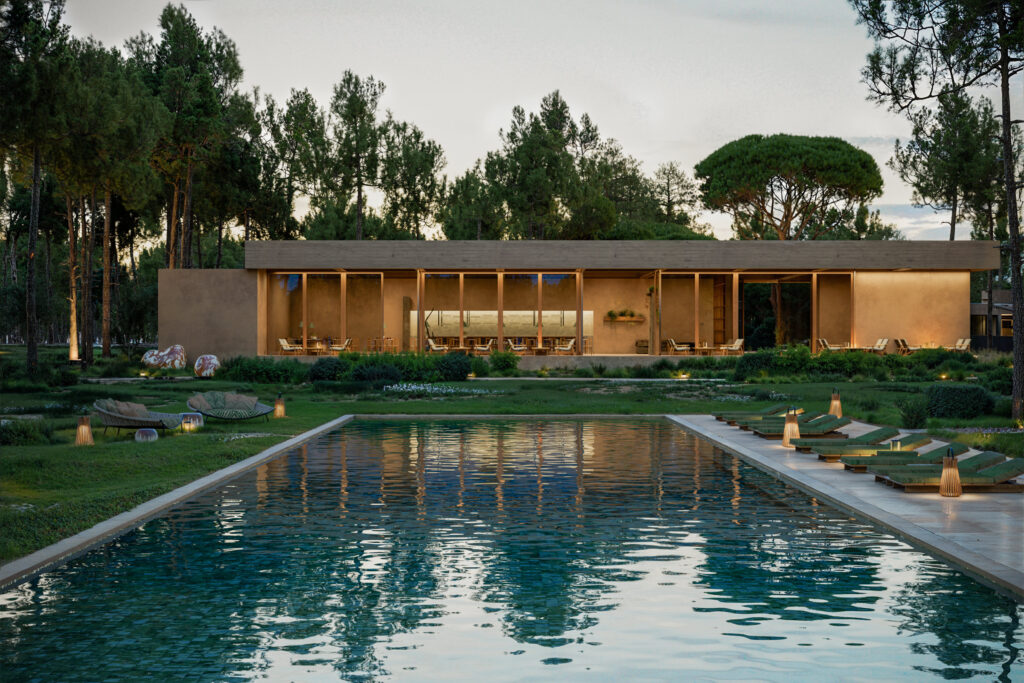
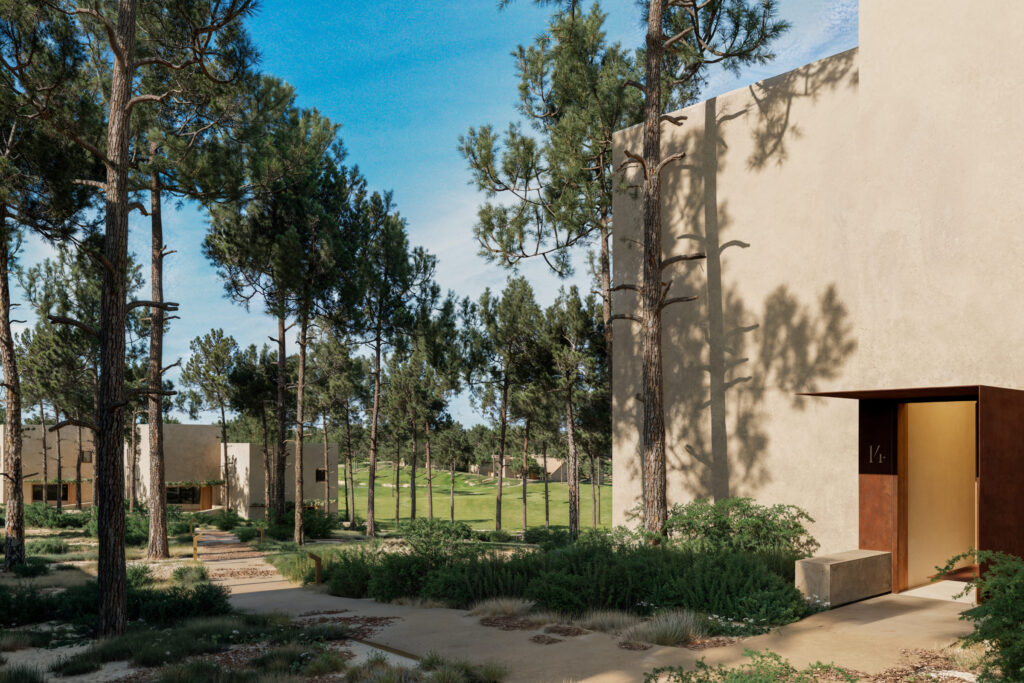
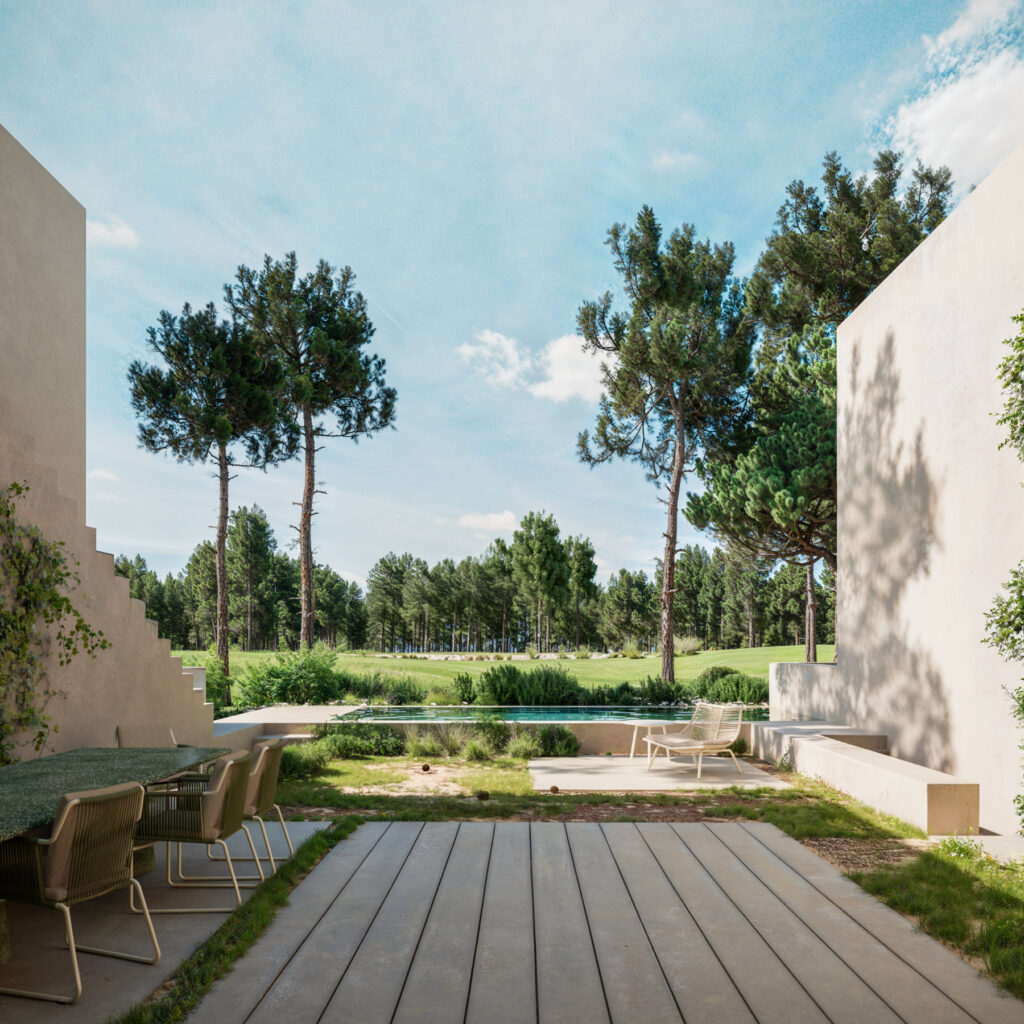
The development sits inside Herdade da Aroeira, a historic 350-hectare estate near the dunes and beaches of the Atlantic coastline. Instead of forcing a design language onto the site, the architectural strategy works with the land’s existing slope, canopy, and light. Buildings sit low among the pines, finished in stone, wood, and other natural materials chosen for their ability to weather gracefully under salt air and sun. It’s a quieter approach than one might expect from Missoni, but that’s the point: the landscape leads, and the brand extends it.
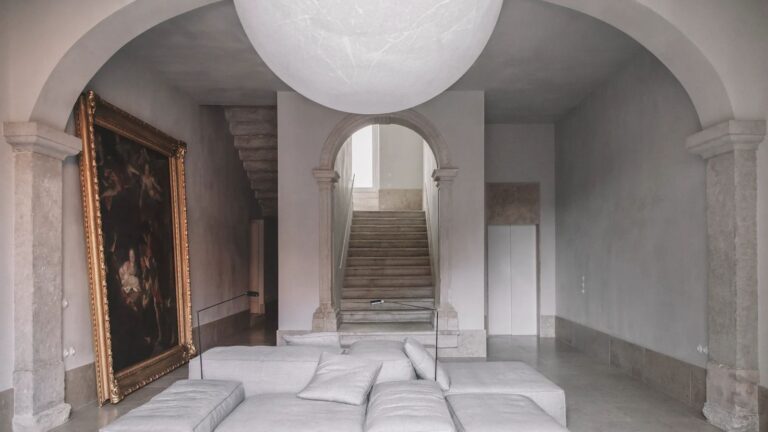
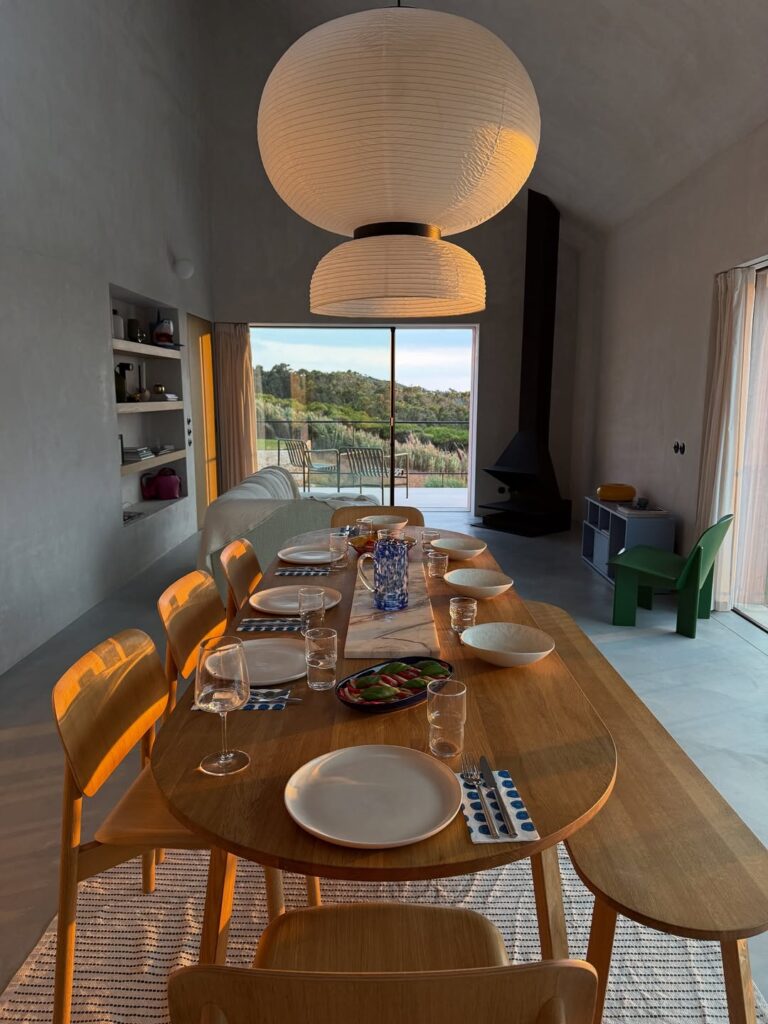
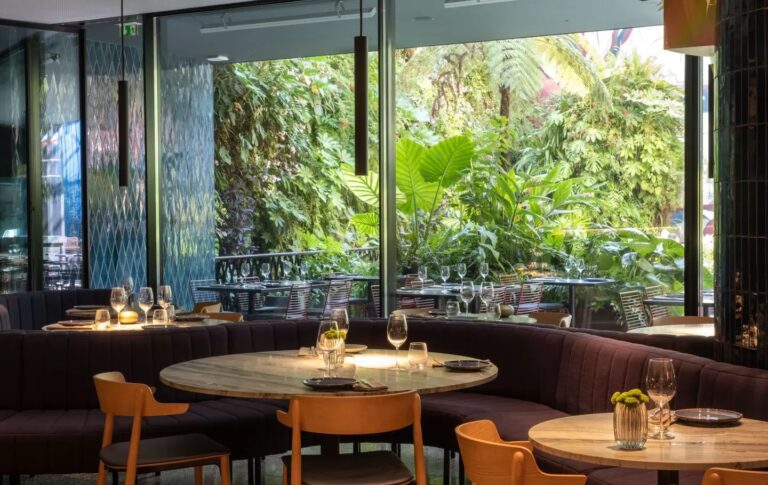
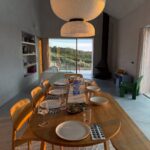
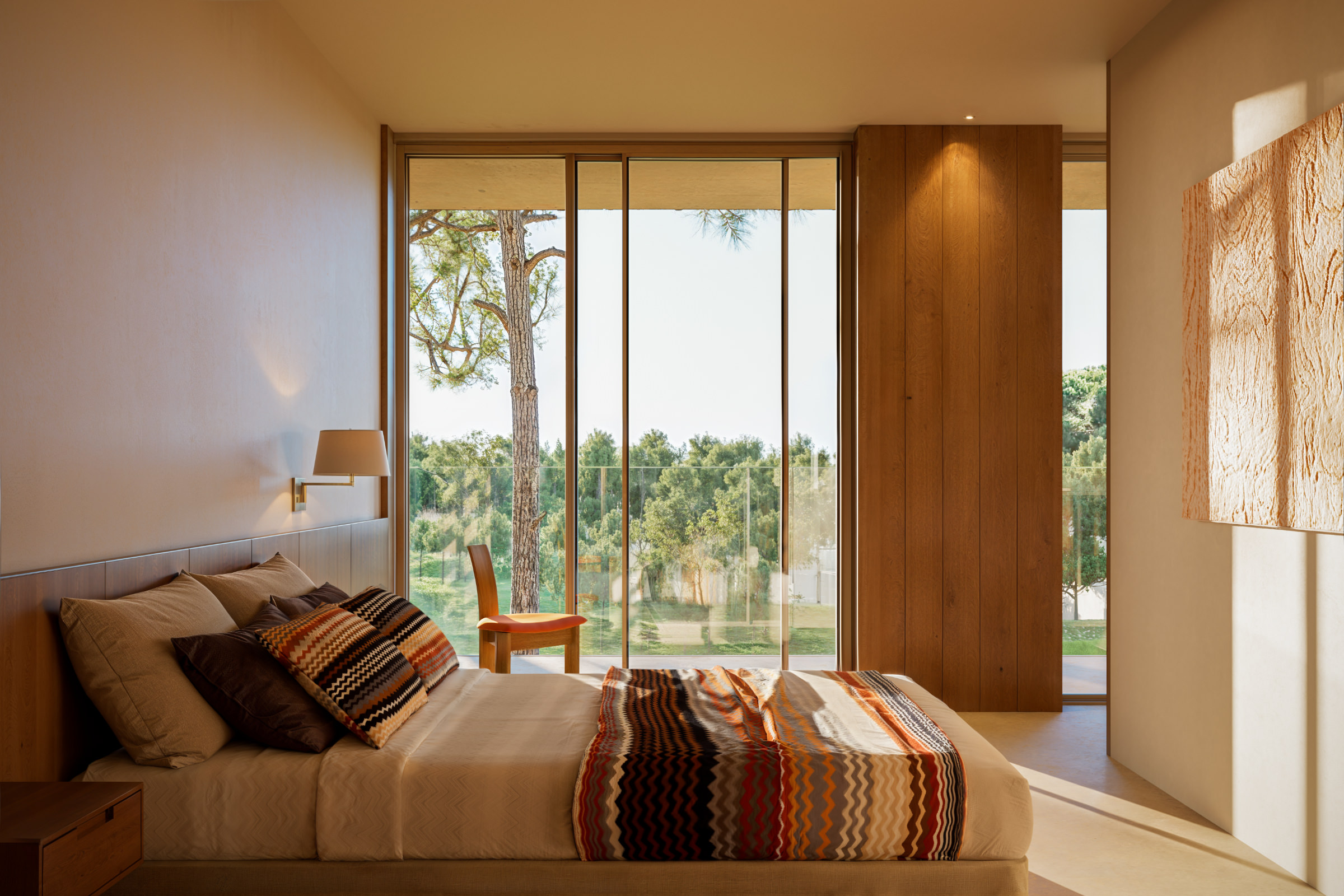
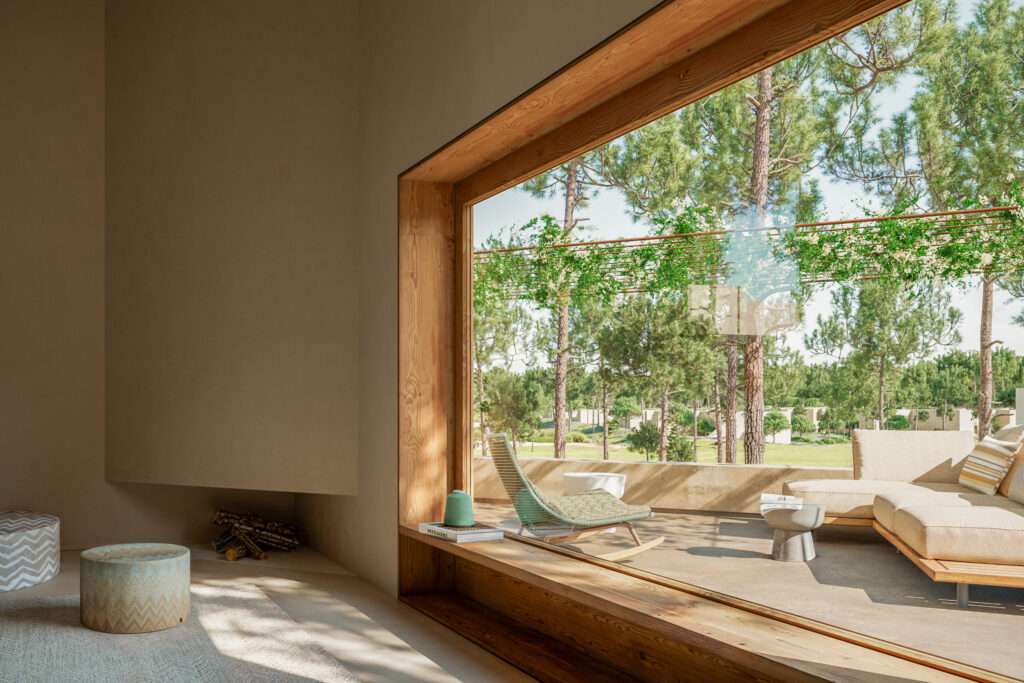
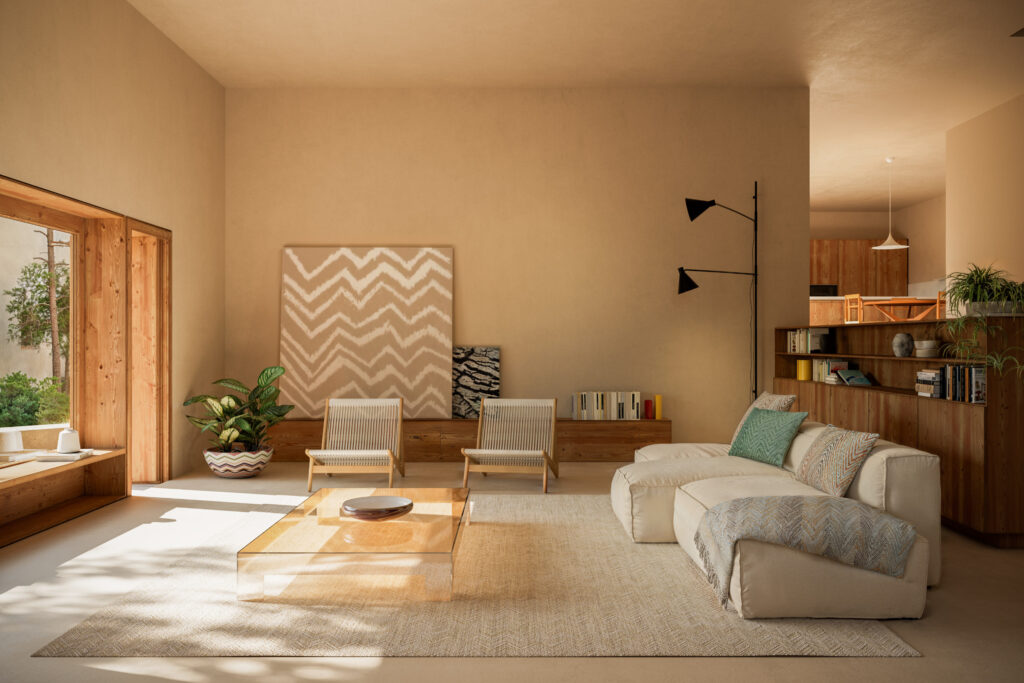
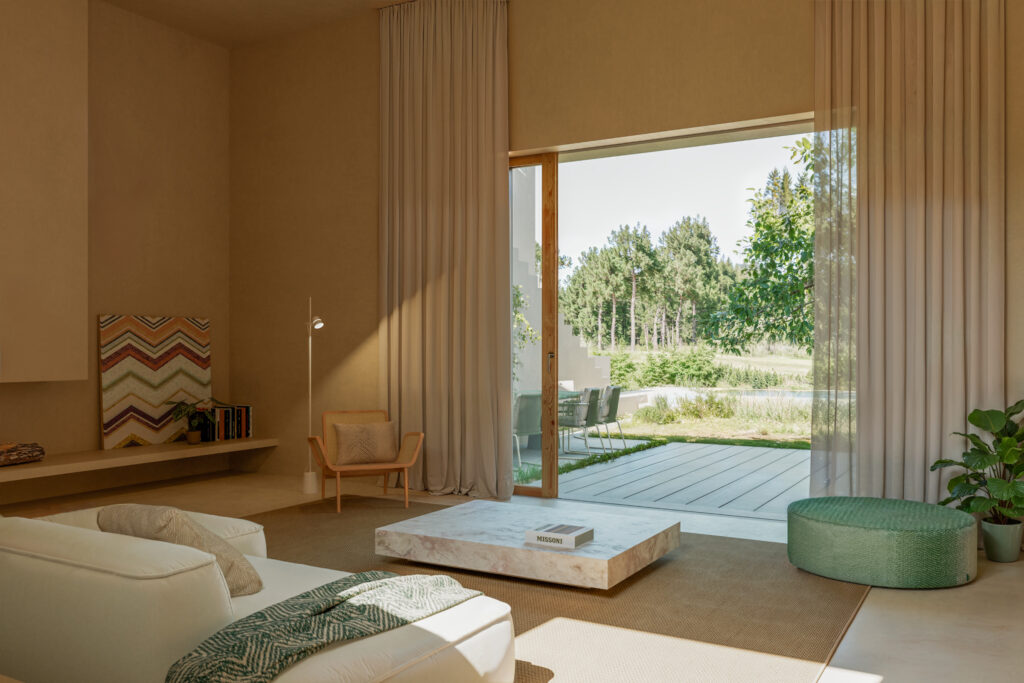
Inside, Missoni’s aesthetic surfaces in calibrated ways, with patterned textiles, warm palettes, curated furnishings, and lighting that emphasises tactility rather than spectacle. Residences open onto large terraces and generous windows that frame the forest or pull in cliffs and coastline, blending interior life with the pace of the outdoors. The architecture isn’t chasing trend; it’s building longevity. This is design meant to look good not just on opening day, but after years of living, shifting, and settling into place.
Aroeira Collections is more than a set of branded homes; it’s a full ecosystem. Apartments, townhouses, and villas sit alongside a hotel, wellness facilities, walking paths, golf, tennis, and direct access to both forest and beach. Behind the project, are three Portuguese architects who helped the vision come to life.
The Hotel, by Ana Costa
Ana Costa is no stranger to working with international brands. Having previously led projects for PIXAR and NEXT internationally, as well as interiors for the Belém cultural centre locally, there is no one best placed to achieve the ambitious vision of the Missoni Hotel in Aroeira.
For Ana Costa, the landscape sits at the epicentre of the entire collection. To achieve this, she focused on an approach of “camouflage,” ultimately respecting the space, the nature, the land, and most importantly, the community amongst which Missoni’s hotel sits.
The Apartments, by João Favila Menezes
If award-winning is what Missoni was looking for, then João Favila Menezes was the right person to hire. As the creative behind Estalagem da Quinta da Casa Branca, the Hotel do Porto Santo expansion, and the Praia do Canal Nature Resort (all award-winning projects, might we add), João Favila the Menezes is an expert at tourism projects, and has earned both national and international recognition.
The Apartments, like the other Aroeira collection projects, focus on creating synergies with the nature, growing out of “what it was.” Designing an entire apartment project from a barren parking lot is no small feat, and yet Missoni and João Favila Menezes managed to engineer what they describe as a “healing process” through replanting, reinstating the topography, and rebuilding the ground.
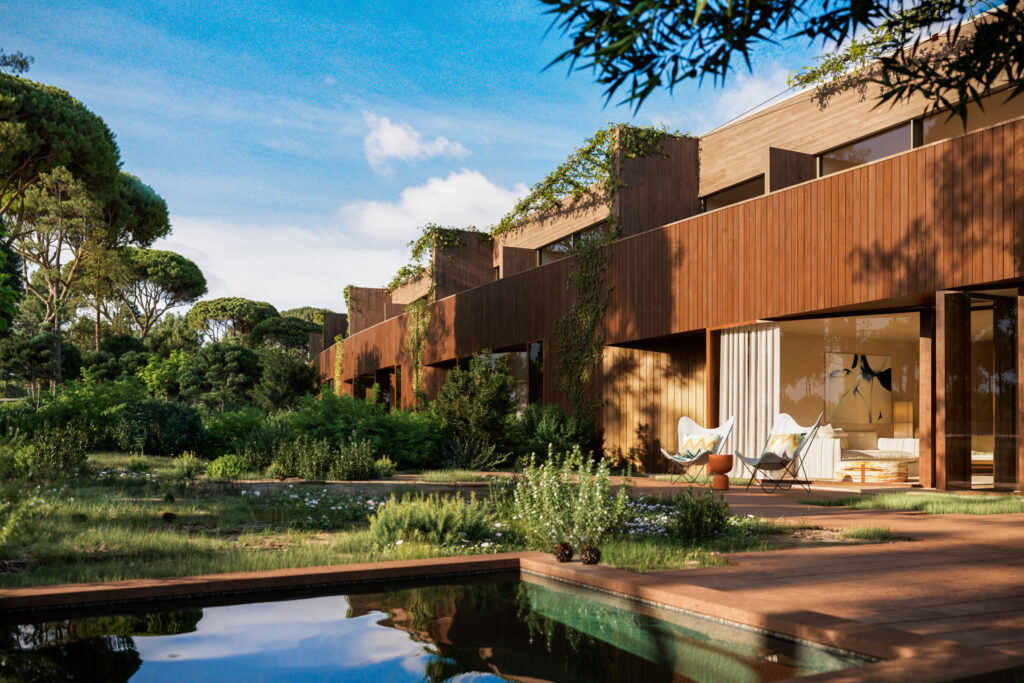
The Houses and Villas, by Pedro Domingos
As another award-winner in Missoni’s impressive Portuguese architect portfolio, Pedro Domingos has earned his stripes by building modern, cutting-edge, homes and housing across Portugal. This includes gorgeous homes in Faro, including a personal Porta favourite, “House in Bordeira,” 2024. And so, who else would Missoni ask to design Homes and Villas than Pedro Domingos himself.
Like his counterparts, Pedro Domingos emphasised respecting the community present in Aroeira. The architect wanted to cherish and champion European living, but not just any kind of European living, one that is particular to the South. And so, the courtyards extend into the hedges and trees, the spaces are open to welcome neighbourly social interaction, and each house is part of a “greater whole.”
It’s this exact blend between the indoors and the outdoors, nature and structure, people and environment that makes this project not just a Missoni project, but a Portuguese one.
Images © Missoni