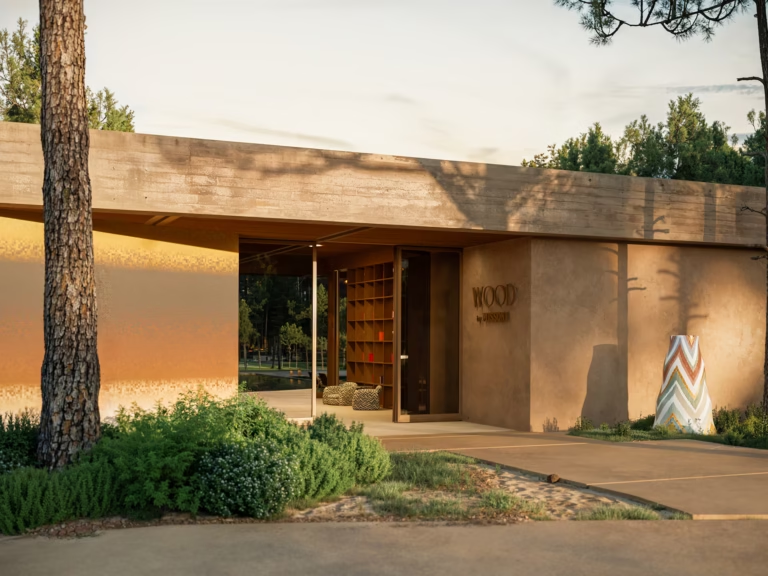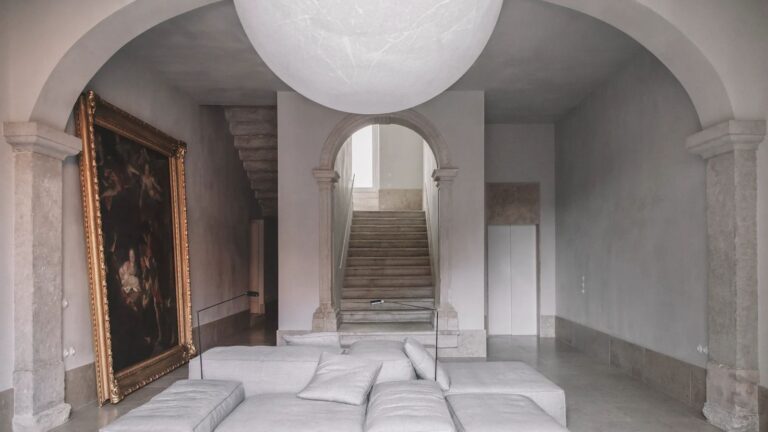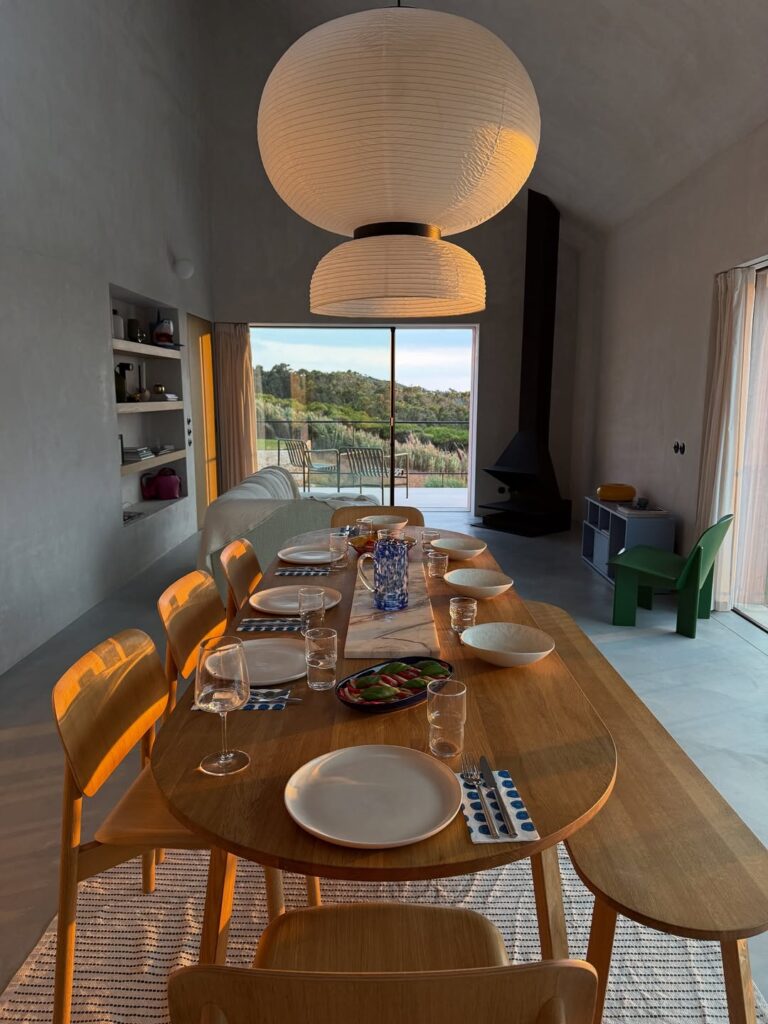
For years, the world lived inside a globalized aesthetic: the same chairs, the same lamps, the same “minimalist” shelves pretending to be personality. We called it design; really, it was wallpaper. Mass-produced décor became the worldwide default: comforting, consistent, and completely forgettable. Then Portugal quietly changed the rules.
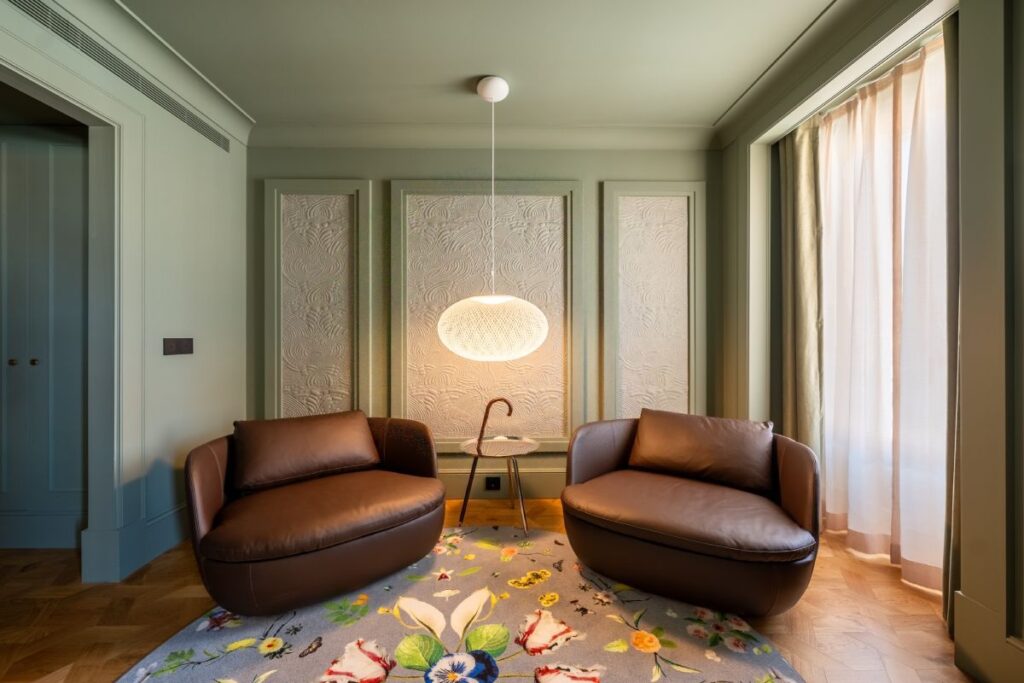
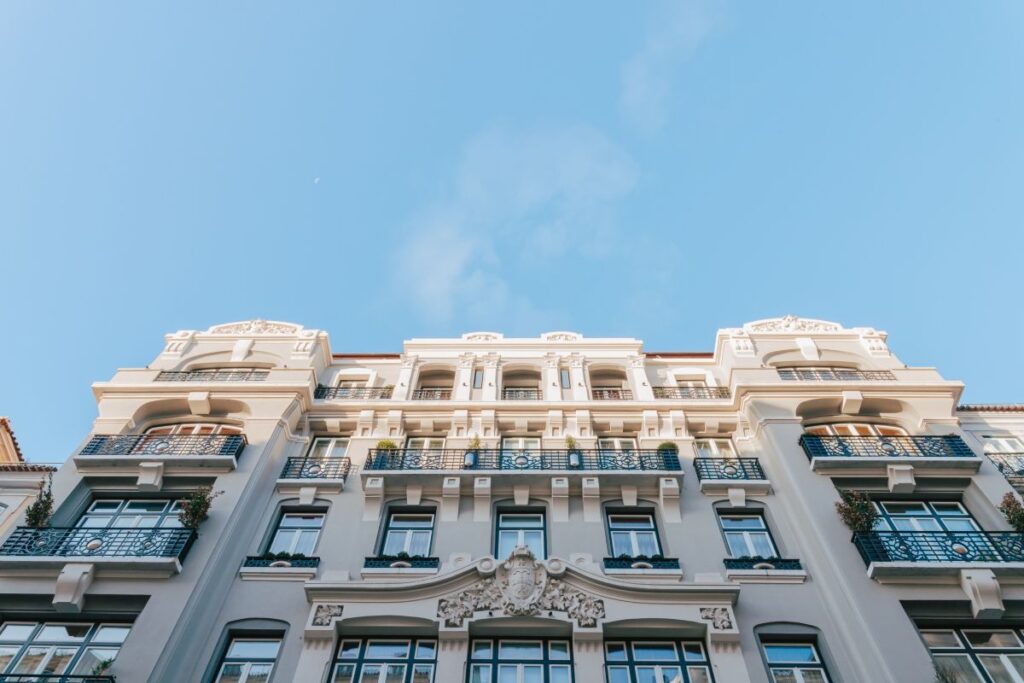
Lisbon didn’t just reject flat-pack culture; it replaced it with something far more magnetic: curation. A return to objects with soul, spaces with identity, and design that wasn’t made to fill a room but to define it. Over the last decade, Lisbon’s hospitality scene underwent a full-blown metamorphosis. Hotels stopped playing the soft-luxury game and started embracing personality instead. Take the Art Legacy Hotel: a classical façade on the outside, an explosion of Moooi-crafted imagination on the inside. It’s theatrical, confident, beautifully unapologetic.
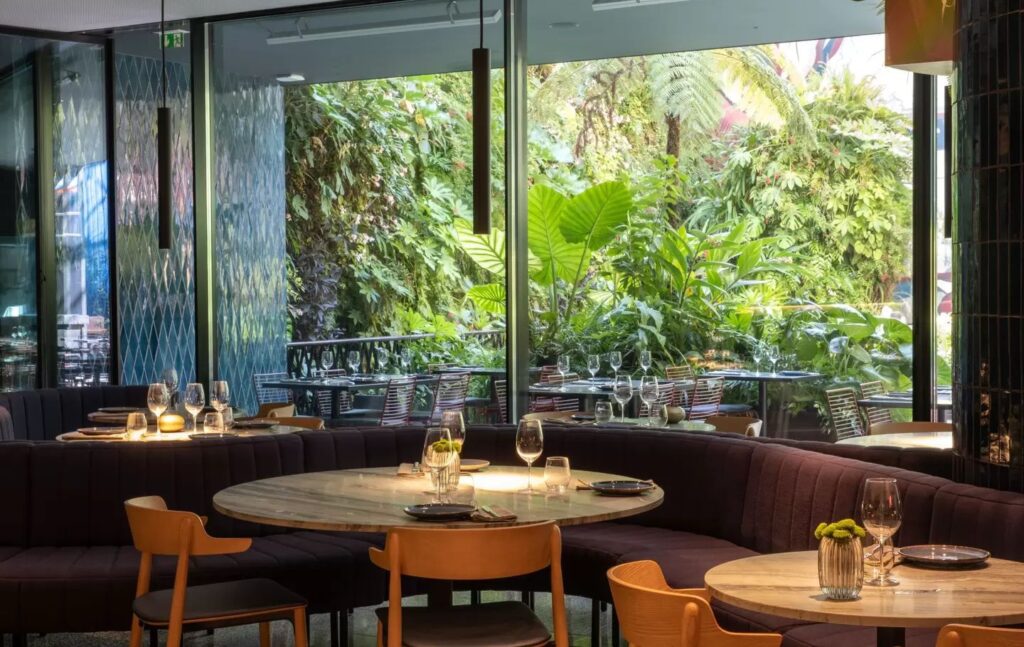
Or Hotel Hotel, where Portuguese artisans take center stage. Hand-painted tiles, custom pieces, and original artworks come together in a space that doesn’t care about trends, only identity. These places aren’t designed to be “nice”. They’re designed to be remembered. And we love it! Lisbon’s cafés and concept stores also joined the movement. The city stopped accepting mediocrity disguised as minimalism. Instead, it embraced culture disguised as coffee shops.
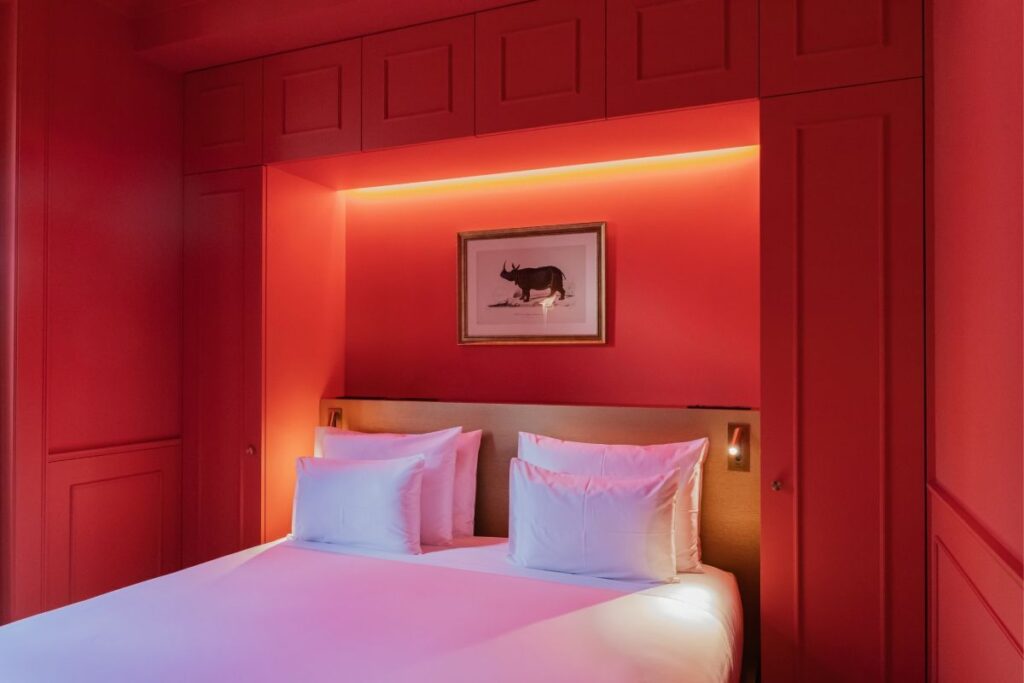
Now, grabbing a latte often means entering a curated environment, a space with art, sculptural furniture, or quiet architectural flexes that reveal themselves slowly. Meanwhile, outside Lisbon… Portugal Doubled Down. Melides delivered its own statement through Christian Louboutin’s Vermelho Hotel: a 13-room jewel box soaked in red, where every object feels found, cherished and intentional. It’s not only hospitality. It’s complete immersion. Design as atmosphere. A stay that lingers long after checkout.
Design transforms it.
The country embraced texture, color, local craft, and the confidence to be visually bold. And in doing so, it built a new design language, unmistakably Portuguese, inherently curated, and almost allergic to anything mass-produced. Portugal didn’t follow a trend. Portugal authored one.