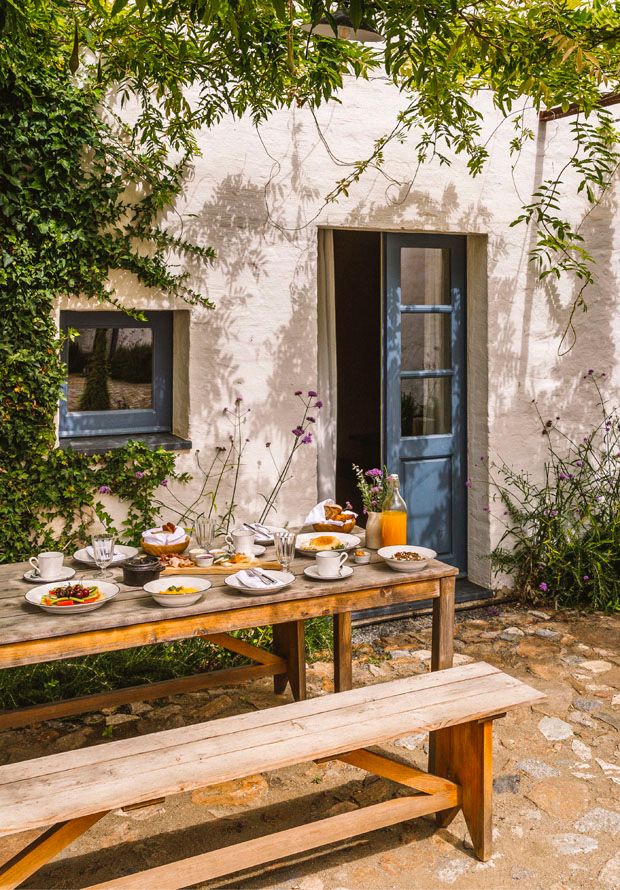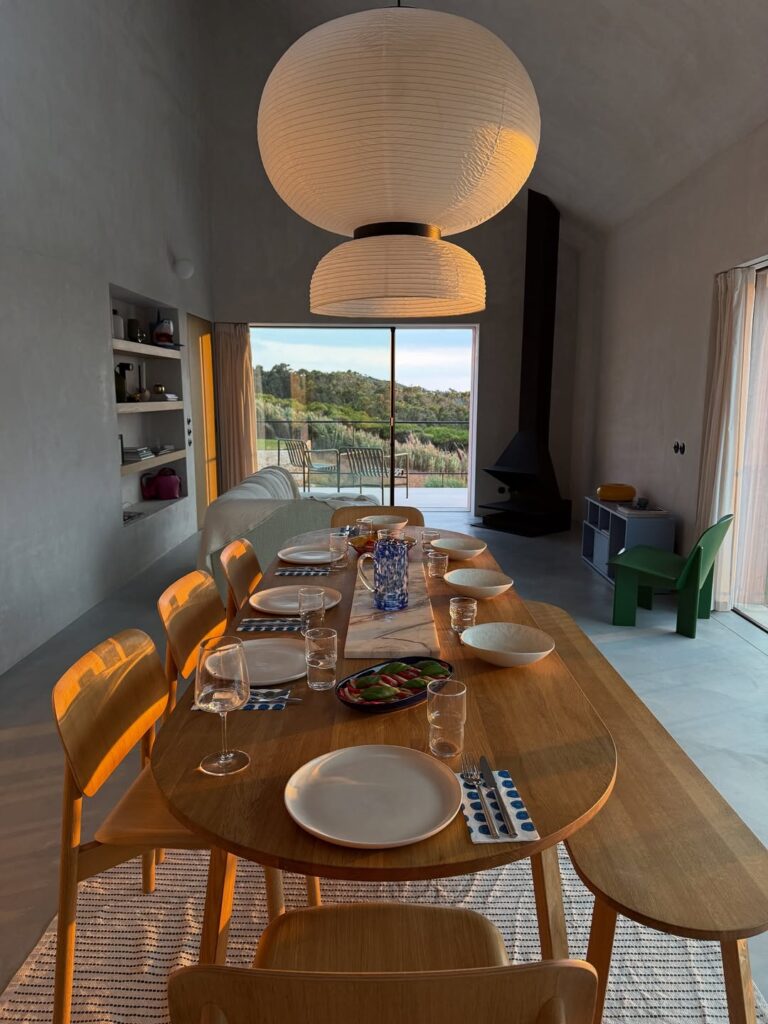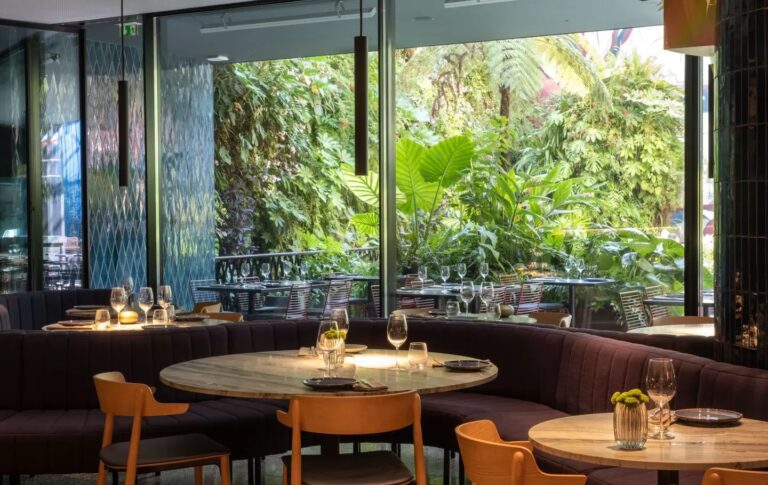


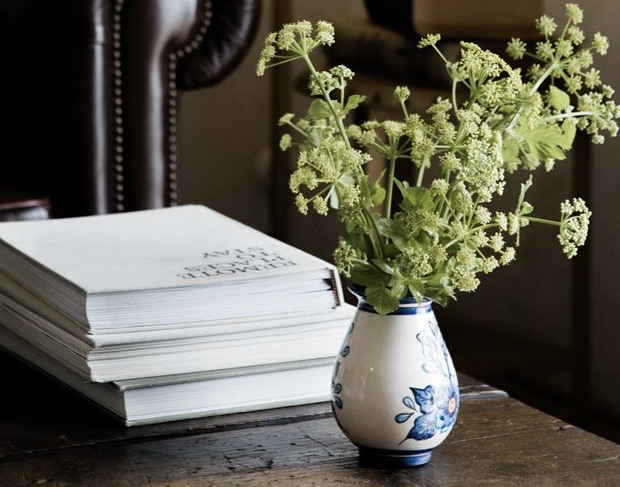
Picture this: a centuries-old farmhouse. Whitewashed walls that look good in literally every light. Terracotta floors worn down in all the right places. A giant ceramic bowl that somehow costs €400 and you’re unironically obsessed with it. A perfectly imperfect linen bedspread whispering, “I care… but casually.”
That’s rural-chic: the sweet spot where rustic honesty meets design that absolutely knows what it’s doing. It’s the countryside but with curated furniture, excellent lighting, and a soft playlist drifting in from somewhere you can’t quite place.
Slow Living Walked so Rural Chic could Run
But why does this aesthetic fit Portugal so well?
Because slow living isn’t a trend here, it’s cultural DNA. The Portuguese perfected the art of long meals, slow weekends, and taking rest seriously way before it became Instagrammable. And as rural regions looked for new ways to revive themselves, rural-chic stepped in as the bridge.
People are done with hotel lobbies that smell like corporate ambition. They want olive trees. Fireplaces. Silence. Stars. A bathtub pointed at a field of absolutely nothing. And Portugal delivers effortlessly.
Architects like Aires Mateus, Studio Astolfi, and Quiet Studios took the country’s raw materials like stone, lime, wood, clay and made them fashionable.
Where Rural-Chic Comes to Life
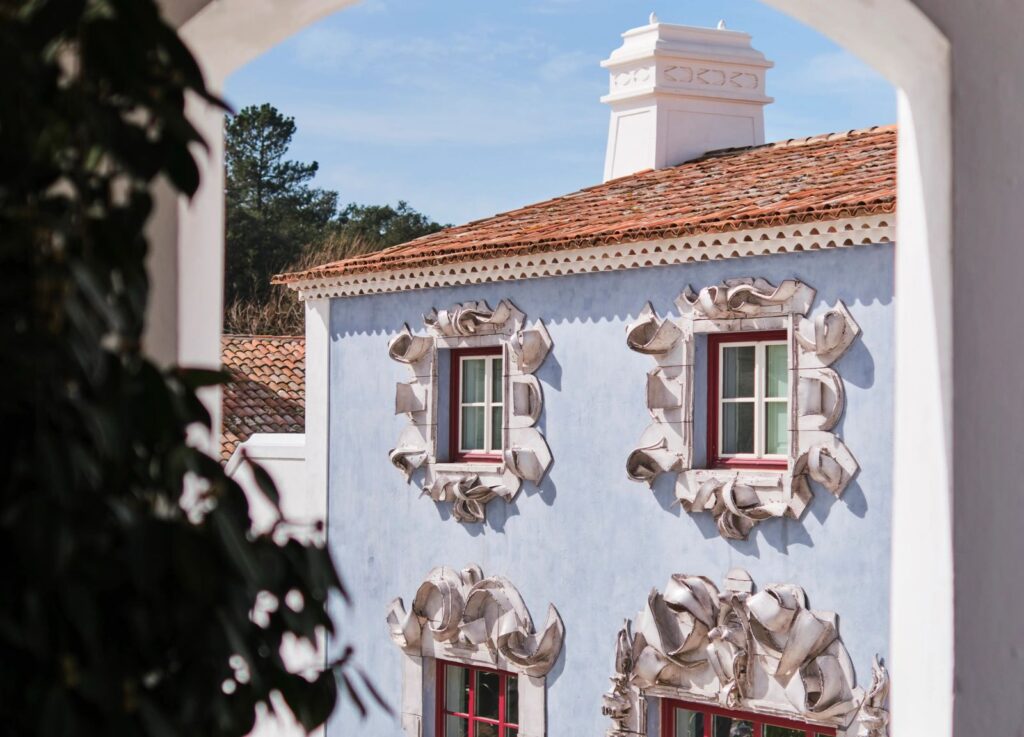
In Melides, Vermelho Hotel feels like Christian Louboutin’s answer to the question, “What if Alentejo was in a fairy tale?”. Bold yet intimate, it blends the charm of a rural Portuguese home with the theatricality of couture. Every corner feels handcrafted, curated, and touched by a storyteller’s imagination. It’s Made up of 13 rooms described on its official website as “unique and singular, united by a love for culture and creativity,”. Each room differs in tonality, textures, and style, but they all share the same heartbeat: the color red and authenticity.
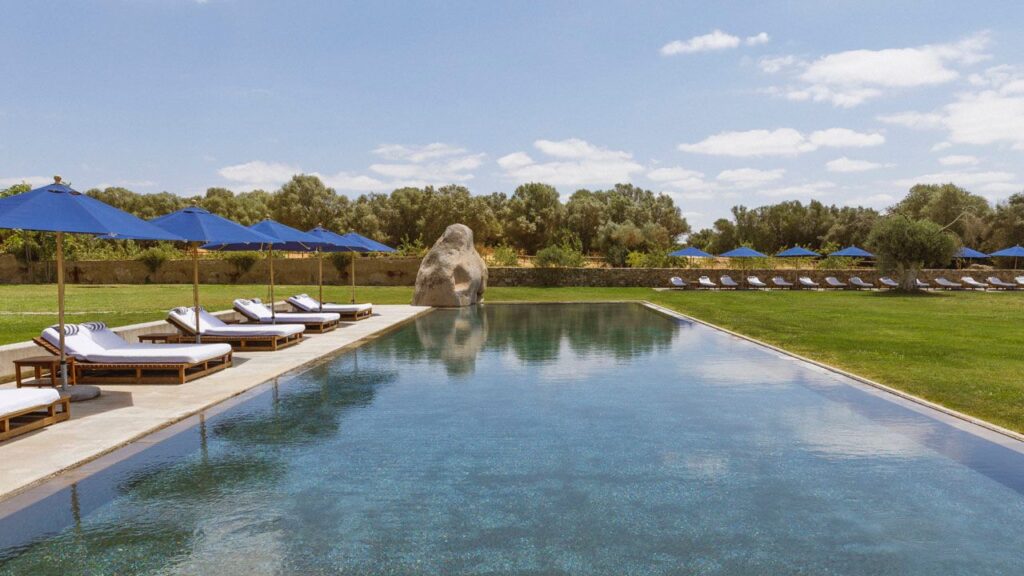
Further inland, São Lourenço do Barrocal stretches across a former farming estate in the Alentejo. It’s a world of stone paths, sun-drenched courtyards, and understated luxury that whispers rather than shouts. Staying here feels like stepping into the countryside’s own mood board: textured, warm and serene.
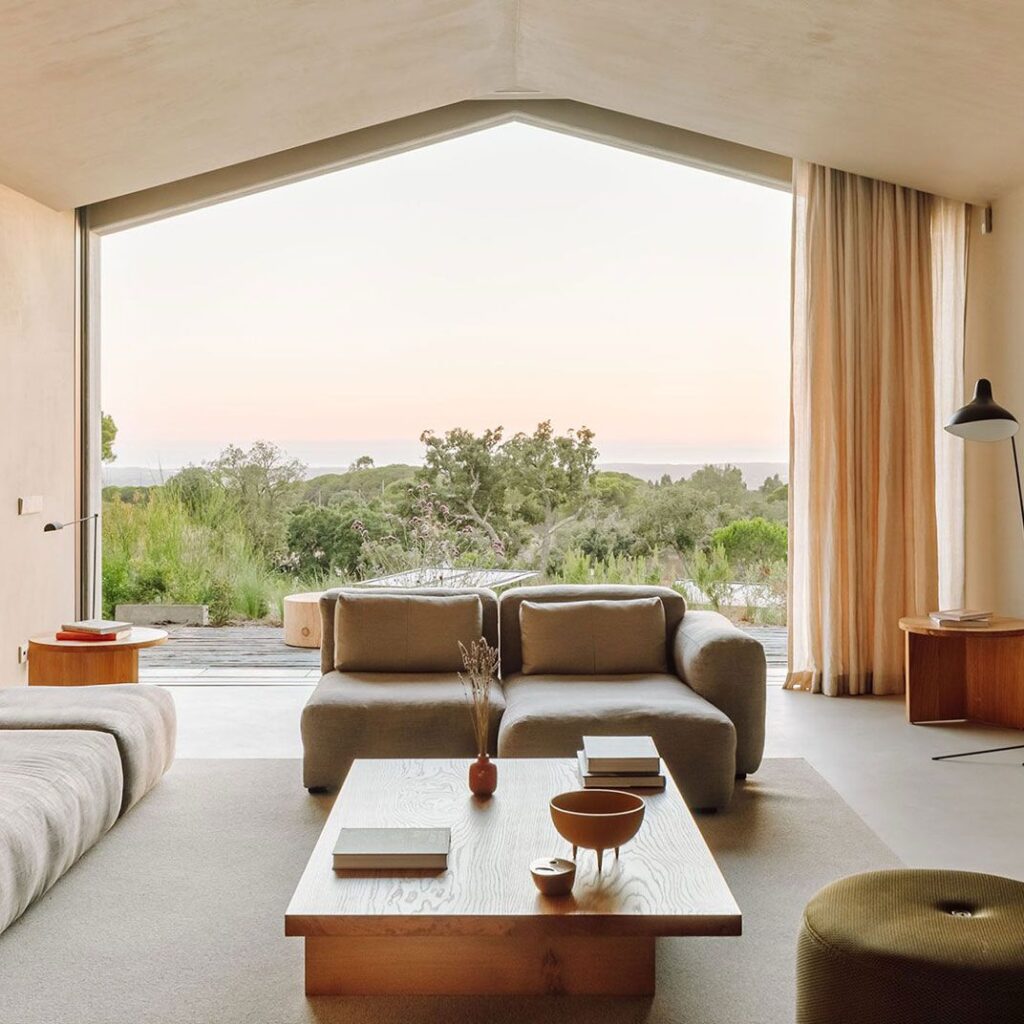
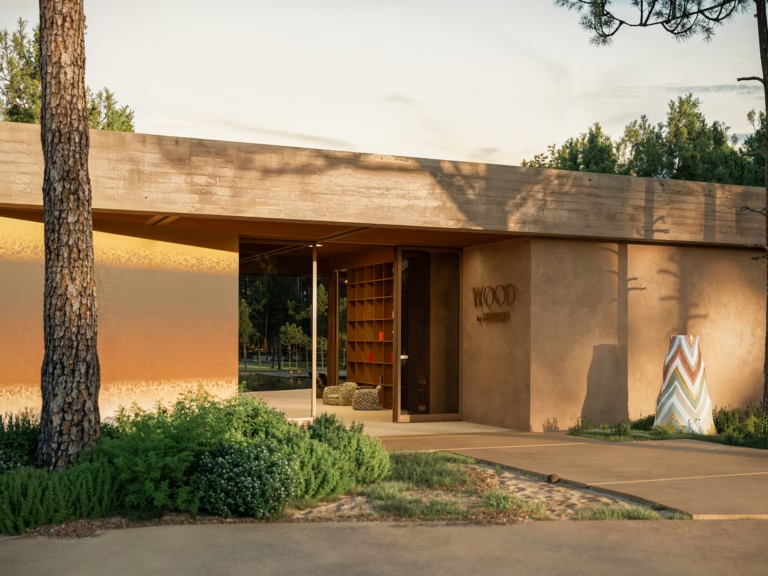
Also in Melides, Pa.te.os takes a more sculptural approach. Aires Mateus looked at the Alentejo landscape and distilled it into pure form: villas that rise from the earth in clean, monolithic lines. The result is a dramatic minimalistic architecture that doesn’t compete with nature, but deepens your experience of it.
Down in the Algarve, Casa Modesta offers a different kind of elegance. A family farmhouse reborn into a minimalist retreat, it balances contemporary design with the soul of its origins. It’s the kind of place where you can almost imagine a grandmother walking in, a grandmother with impeccable taste, of course, and an appreciation for quiet beauty.
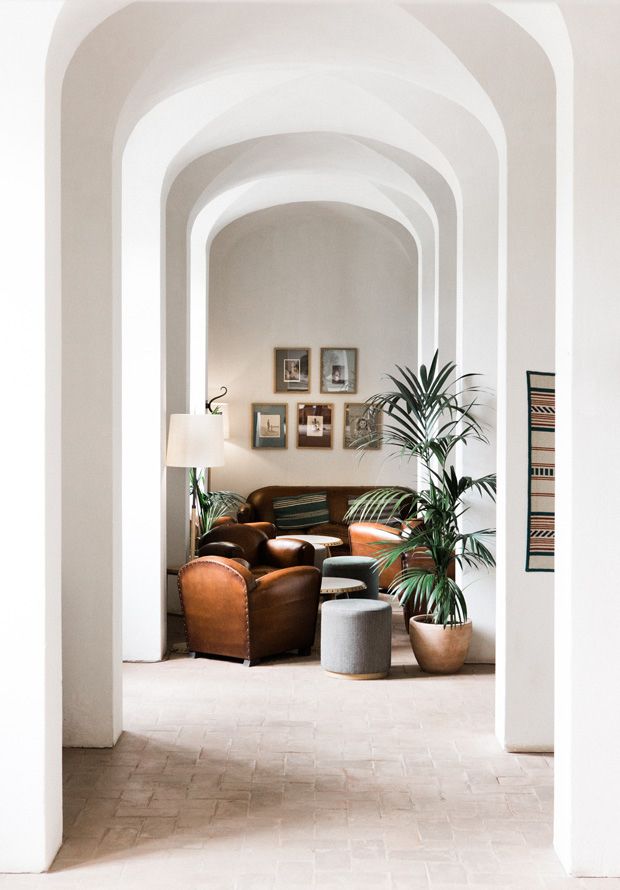
And just when you think you’ve seen every version of rural minimalism, Santa Clara 1728 in Lisbon reminds you that the aesthetic doesn’t belong only to the countryside. Quiet Studios transformed a 300-year-old palace into a sanctuary of light, stone, and silence, this is the proof that rural-chic isn’t about location, it’s about intention. It’s the ability to slow down, breathe differently, and feel time soften around the edges.
The Future of Rural Chic
If the trend continues, and it will, Portugal is positioned not just as a follower but a leader. The country’s design language, craftsmanship, and connection to nature give it authenticity that can’t be faked. The future looks like more adaptive reuse, more architectural poetry in open landscapes, and more hotels that make you wonder if you should move to the countryside and start making olive oil.
Maybe you won’t. But for a weekend, for a week, for a stolen escape, Portugal lets you live the fantasy.
Rural-chic isn’t just an aesthetic. It’s a feeling.